Playing the piano was once my greatest passion, beginning when I was 15 and started studying seriously. My grandmother (Grandmommy Brooks, my father’s mother) had had the divine inspiration to buy me a piano. I could read a little music and played hers whenever I visited. She could take a piano apart and put it back together and she was the pianist and organist for her church and any other occasion that required her talent. I was the only grandchild with the piano bug and that thrilled her. One day, I came home from school, and there was the piano she bought me, installed in my bedroom. A Kimball, in beautiful condition, obviously well-loved.

I found myself a piano teacher, Mr. Chumley, who taught concert pianists but agreed to take me on even though I was terrible at reading music. I could play one serious piece of music: the first movement of Moonlight Sonata, which I interpreted as an allegro, thundering and emotional drama, not knowing how to read the directions. At my first lesson, he pointed to all the notations and asked me what they meant. I had no idea what the squiggly lines or pianissimo meant.
“Ohhh… so that’s how it works.”
Since I was in boarding school, Mr. Chumley agreed to teach me on Saturdays. I rode my bike from Coconut Grove to his home on Alhambra Way in Coral Gables, which had a wing for his piano school with its own entrance. He was tall and thin, with sparse gray hair and glasses. He was emotionally reserved so you wouldn’t know if he liked you or not. He smelled clean. You sit close to piano teachers and how they smell is important. His clothes were neat, freshly pressed and well tailored. He was just shy of austere. I knew I was probably the worst of all his students and was therefore careful to practice every day and never miss a lesson.
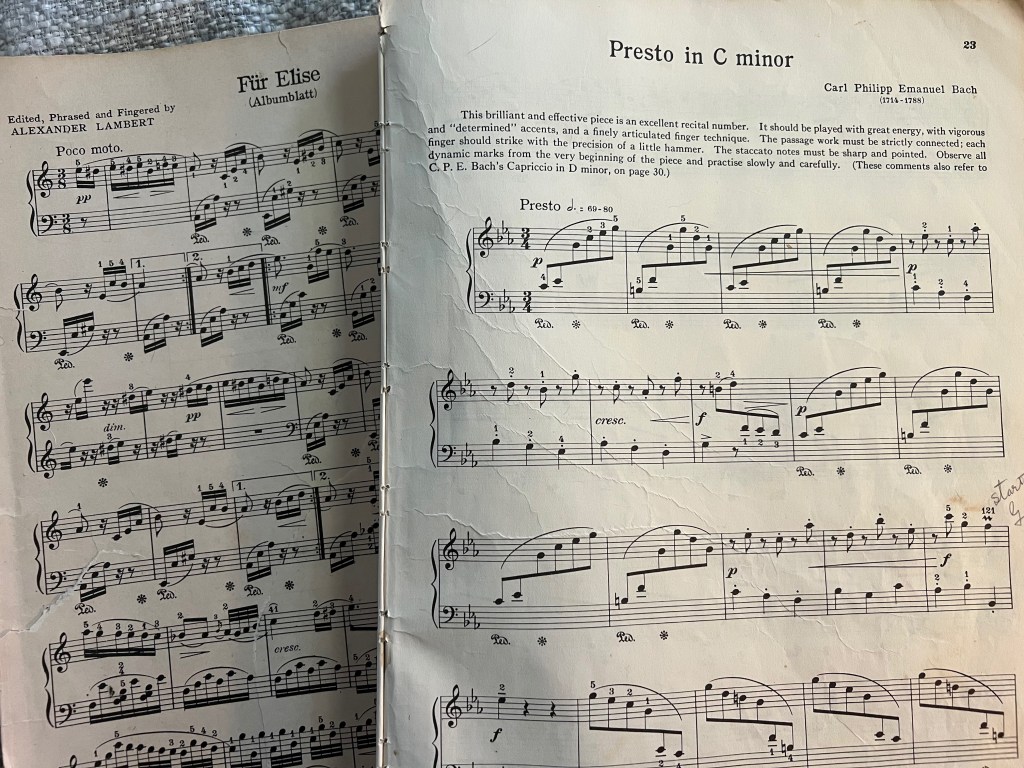
Lessons and practice became the highlight of my life. Mr. Chumley removed my beloved Moonlight Sonata from my repertoire and replaced it with beginning classics, including a Presto in C by Bach, Fur Elise by Debussy, and Polanaise in A by Chopin. I still have the sheet music for most of it.
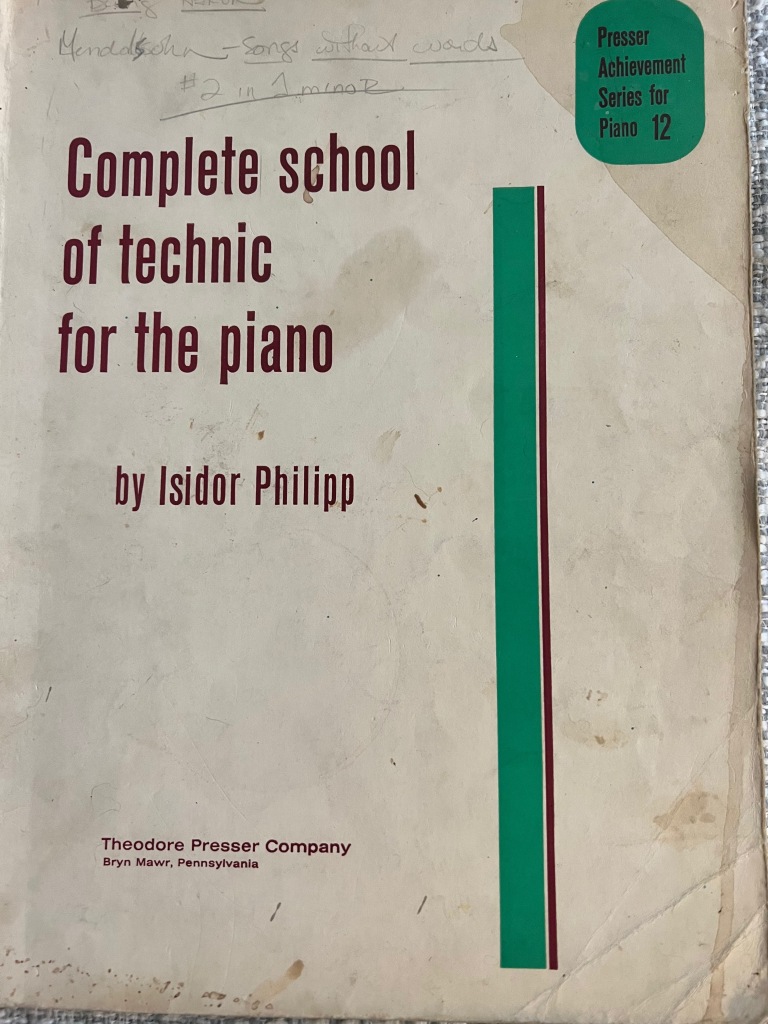
Practice slowly, without any stiffness, with intelligence and reflection. Practice with a perfectly free arm and supple hands. Practice with different rhythms, different movements, different attacks and different nuances. Practice with patience — and always with patience.
(Isidor Philipp)
But mostly I practiced scales and exercises, which I knew were the most important for the strength and flexibility of my hands, mastery of the scales and rhythm. At school during the week, I played the school’s pianos and the nuns were so supportive they let me practice instead of going to study hall.
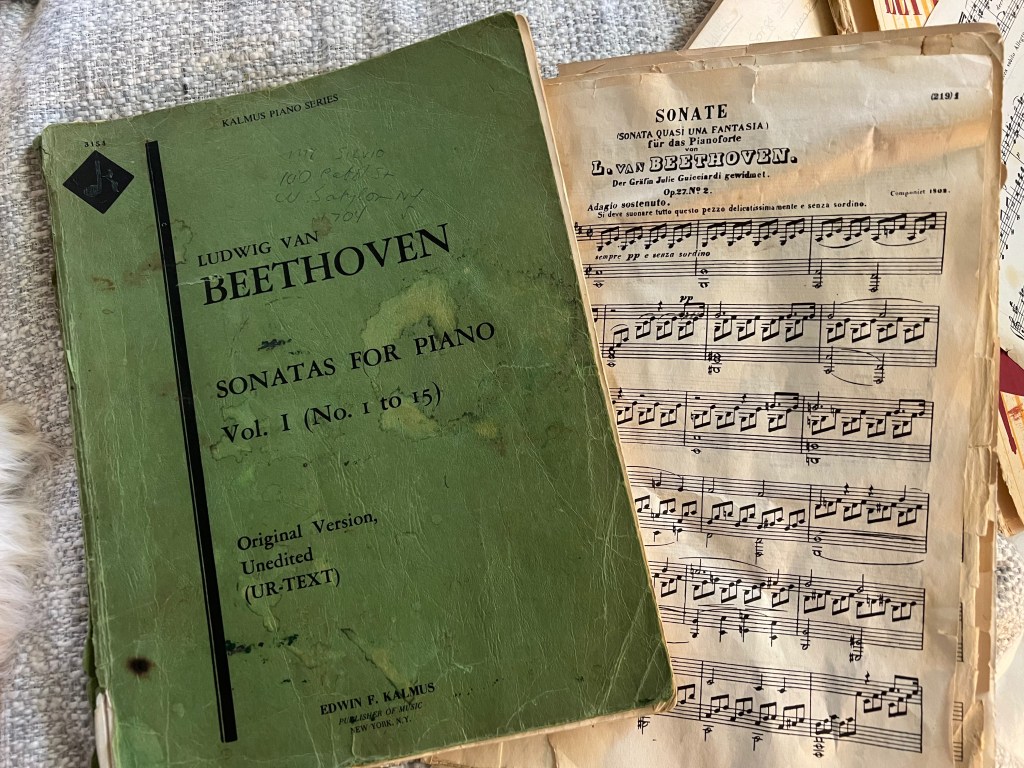
My original Moonlight Sonata score, more than 50 years later. I’ve attempted several more of the sonatas too.
About one year into my study with Mr. Chumley, I whispered to him that I wanted to go to music school for college. It felt like an audacious thing to say given my inexperience. He took me seriously. I would need to audition, he said, and he selected a Beethoven Rondo in C, and a Bach invention as the two pieces to start working on. He said that if I could master them, those two compositions would get me into music school.
I am not particularly gifted, I can’t play by ear, and there’s the constant problem of not reading music well. So it was slow going. I practiced throughout my junior and senior high school years,And I missed a lot of school. I was consumed.
A wise boyfriend decades later used to say that the secret to happiness is establishing a passion and pursuing it with all your heart. My passion drove me to surpass what might have been expected from someone with my limited skill. I was handicapped, but driven.
I chose to go to FSU because of its highly regarded music school and Mr. Chumley approved. Soon after arriving in Tallahassee, I visited the music school, and roamed the halls until I found the dean, Dr. John Boda, alone in his office. He had a mass of curls that bounced and gave electricity to his energy. He beamed warmth and welcomed me into his office. He was on the short side and compact, and his high forehead and those curls reminded me of Beethoven. I wanted to know from him if someone with my limited experience of several years could hope to be admitted. He got up from his chair and said, “follow me.” We went into a large room with a piano and he said, “play.” I played the Beethoven and the Bach.
After this impromptu recital, Dr. Boda replied by saying that the school was starting a course of study for music students not quite ready for freshman status, and that I should prepare to audition for that with my two pieces. I had three months to practice before the next semester.
My Kimball stayed in Miami for the time being because I was living in the dorm and used the school’s practice rooms to play on their Yamaha pianos with those big white keys.
Audition day came. I stood outside the room in a line with other nervous students. I entered the room. A concert grand stood in the middle. At the head of the room was a long table at which about ten professors sat. Just like the scene in Flashdance.
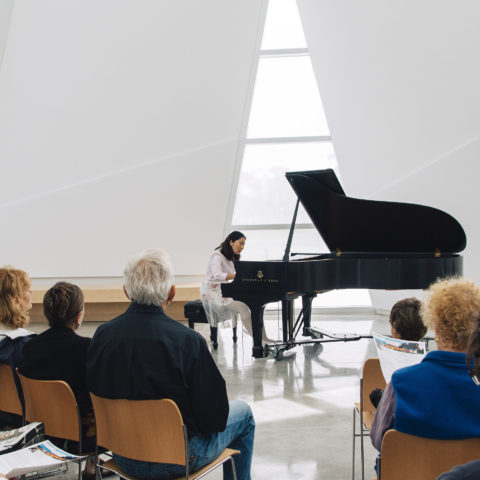
Something miraculous happened. No anxiety, no nerves. I played as if guided, without thought, by pure instinct and intuition. What I had practiced for so long had become part of me. I enjoyed the music without thinking about the mechanics of playing. It was spiritual, meaning that I was disembodied, out of my body. Three-quarters through the Bach, though, I realized how well I was playing, and fumbled the keys. The professors said, fine, we’ve heard enough.
A week later, the school posted the names of students accepted into music school on a wall outside Dr. Boda’s office. For the pre-freshman courses, there was a list of names, and mine wasn’t on it. Then I saw my name from the corner of my eye, and it was with the freshman class. I was a bona fide freshman music student.
I ran to the dorm like an antelope. It was, and still is, the happiest day of my life.
During my third semester I moved off campus into an apartment and had the Kimball shipped up. Music school was a dream. Hours of lessons and practice and concerts. Theory, which I loved, understood perfectly and excelled in, was my stepping stone to composition, which became my major.
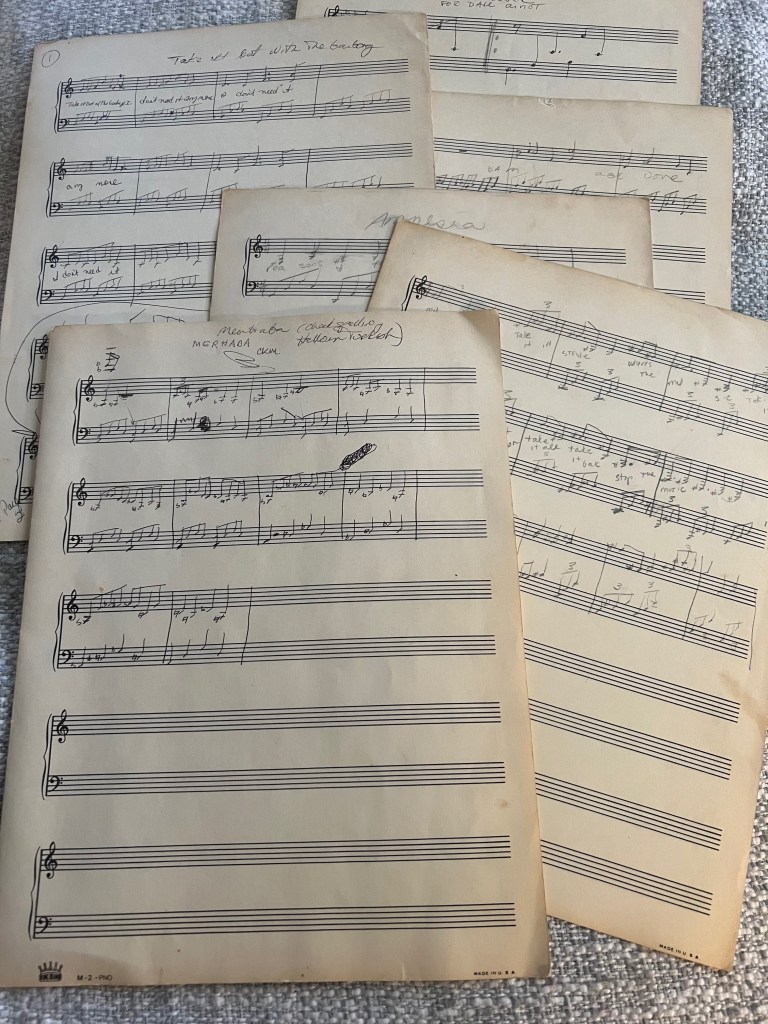
Some of my compositions.
A few years later, I dropped out of school, sold the Kimball and moved to Venice, Calif. After a few years of a lot of living for another chapter, I returned to Tallahassee to finish school. One night at a party I spied a darkened room and a glowing piano. Never able to resist a keyboard, I played the piano for half a minute in the dark before realizing, by touch, that it was the Kimball. I was in the home of its new owners. It was quite the reunion. By then I was playing improvisational jazz and played all night at that party. That was one advantage I had. My classmates were amazed I could play without a score in front of me, and that I could improvise.
From Tallahassee I was finally New York City-bound, where I knew I belonged. I moved into an apartment on East 27th Street, on the fifth floor of a five floor walk-up. Each flight of stairs turned at the bottom and the top. I rented an old, gorgeous black upright Steinway and the poor movers brought it up all those five flights.
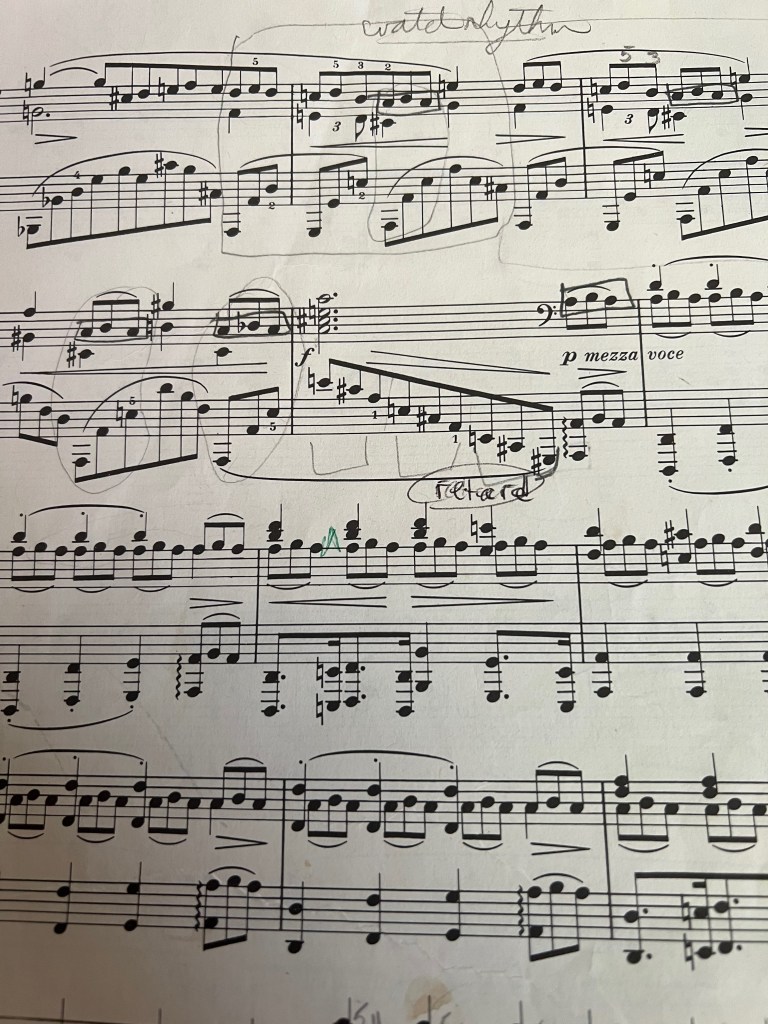
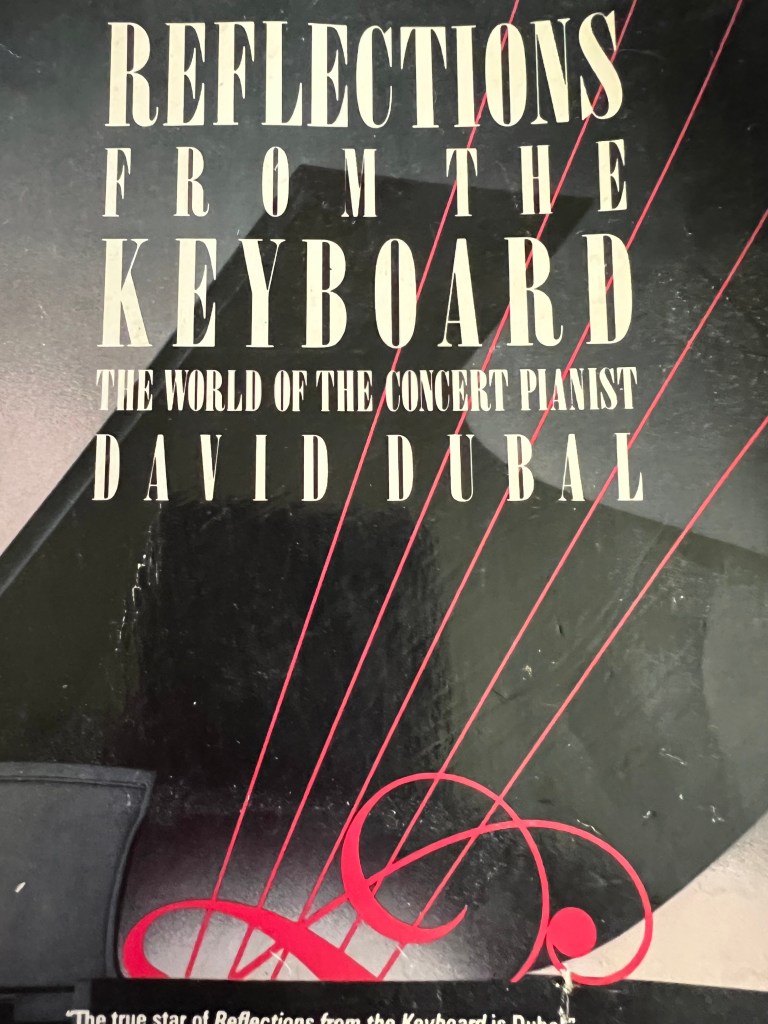
One night, listening to “For the Love of Music,” David Dubal’s show on WNCN, I heard both Brahms rhapsodies for the first time. They are some of the most beautiful pieces of music ever written. Anyone would say that. Brahms wrote them in 1879 yet they sounded so modern. I was obsessed with playing them. So I found another teacher and started working on them. They were too hard for me, truthfully, but I loved them so much, as much as I loved Moonlight Sonata, that I pursued them anyway.
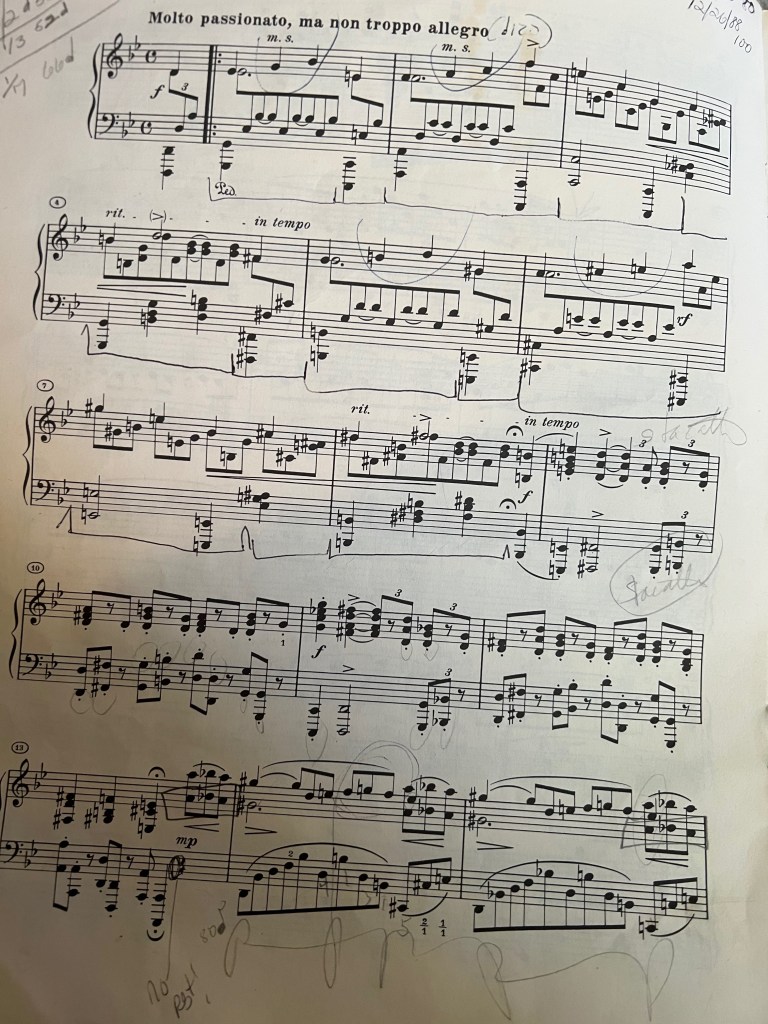
Brahms Rhapsody
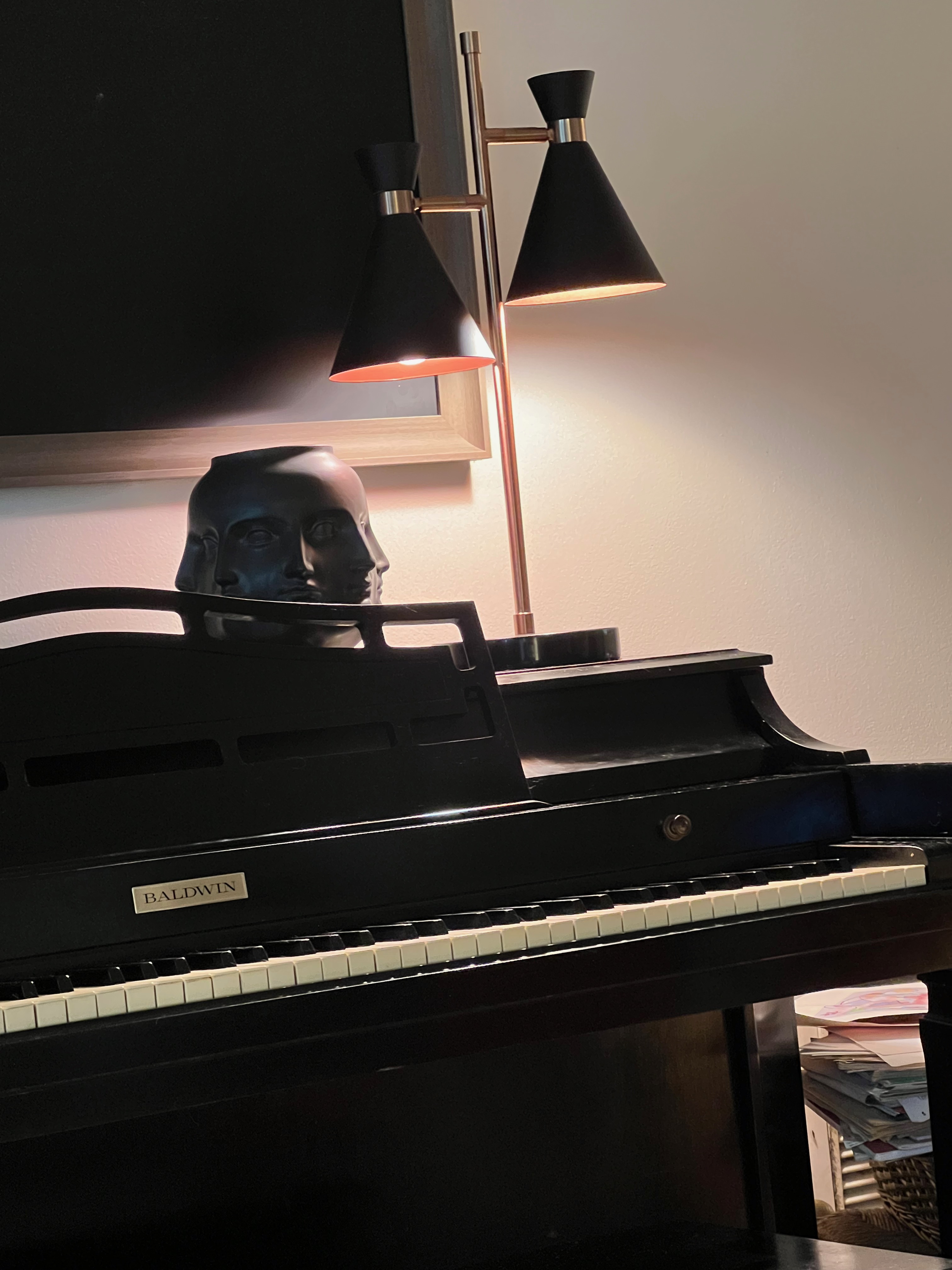
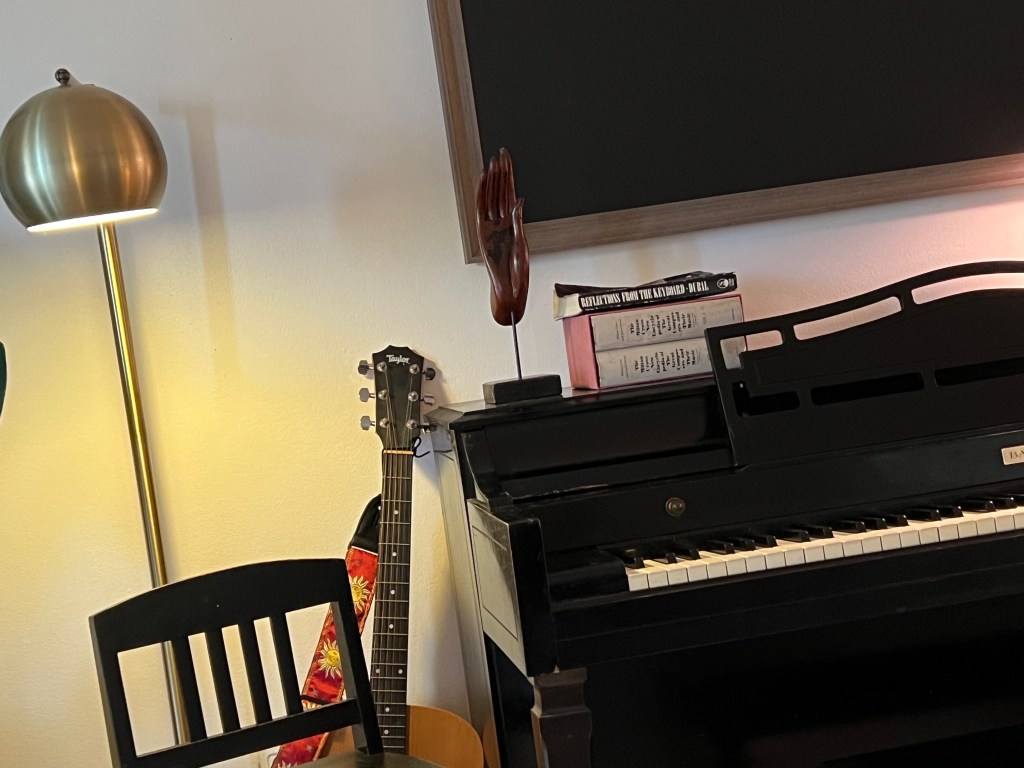
Now I have this little Baldwin, an upright beauty who had just one previous owner, a composer on Miami Beach. I’ve had the piano 35 years or so, and it was vintage when I bought it at a consignment shop in Coral Gables before moving to Naples.
Maybe I’ll play it one day.
 The Joyful Keyboard
2 responses to “Piano Joy”
What a wonderful piece about your journey with music! Keep playing and writing!
LikeLike
Thank you, Susan. It’s my first blog piece and your comment gives me encouragement.
LikeLike